This article has multiple issues. Please help improve it or discuss these issues on the talk page. (Learn how and when to remove these messages)
|
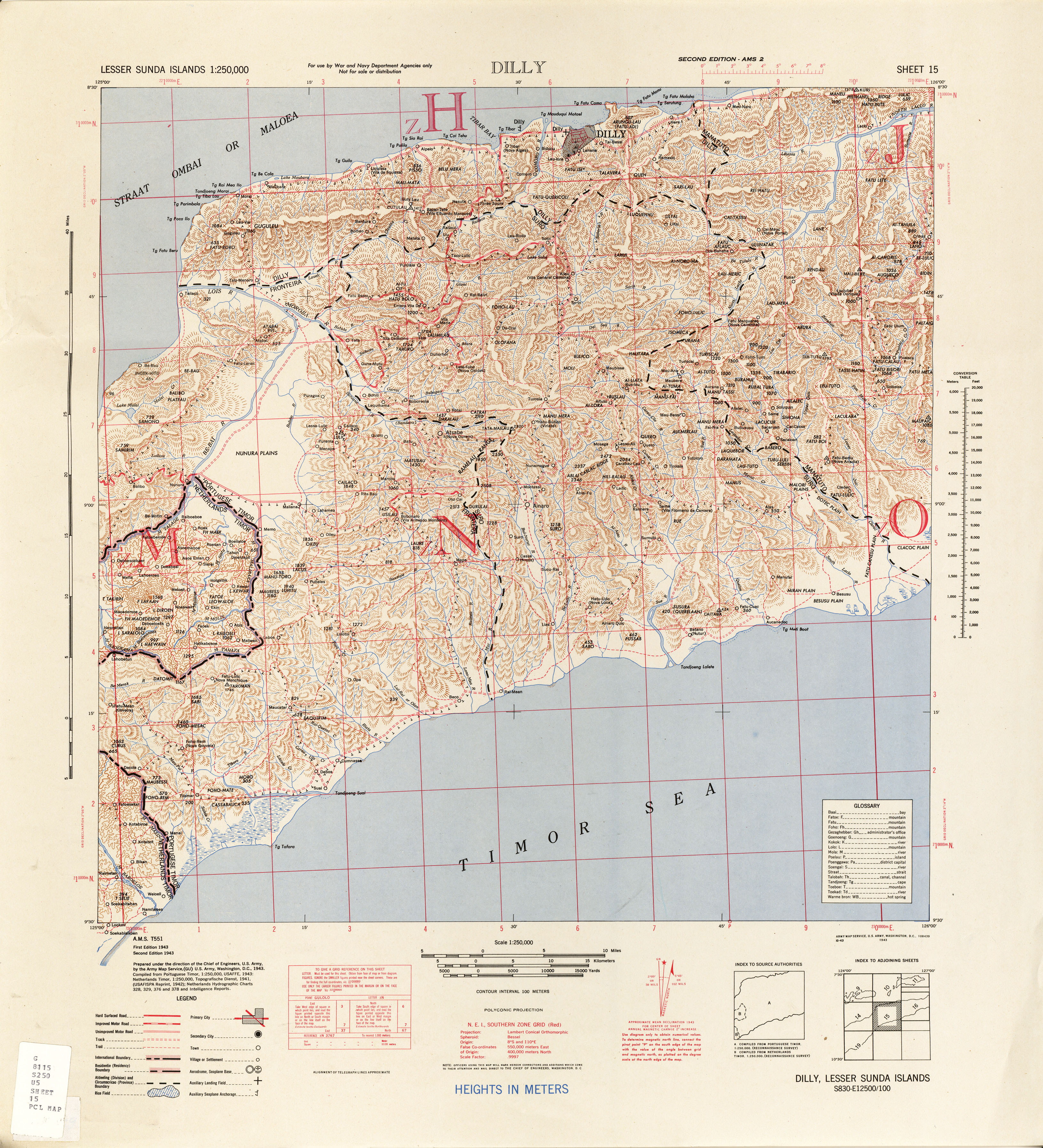
Fatubessi (Fatu Besi, Fatoe Bessi) is one of thirteen municipalities (sucos) under the sub-district administration of Hatulia, Ermera District, Timor-Leste.[1] There is a road east from Fatubessi to the town of Ermera.[2]
The area of Fatubessi is occupied by the former coffee plantation of the SAPT company, a Portuguese colony exploratory company in Ermera District. Fatubessi is the home of the "Hybrid of Timor" rust-resistant coffee tree, a natural hybrid of Arabica and Robusta, whose seed was sent out into the world in 1953, begetting many other coffee trees.[3][4] The village also has a statue of former Portuguese Governor José Celestino da Silva, who started the coffee plantations in Timor, and one of the Catholic statue of Mother Mary Peregrine.
Fatubessi Municipality has six sub-villages (aldeia): São Francisco, Peregrinacao (Peregrina), Matanoba (Matanova), Sabsoi (Safesoy), Lebumeo, and Assulau Hautete (Asulau).[5] During the Timor independence movement, it was chosen to be the administrative center for the six villages in order to simplify access and services for the future municipality.
Notable people
edit- Domingos Maubere (1952–2025), Catholic priest and activist, raised in Fatubessi from infancy[6]
Notes and references
edit- ^ Fatubessi (Approved – N) at GEOnet Names Server, United States National Geospatial-Intelligence Agency
- ^ Dilly, Lesser Sunda Islands (Map) (Second ed.). 1:250,000. Series T551. United States Army Map Service. 1943.
- ^ Rodrigues, C. P. Jr.; Gonçalves, M. Mayer; Várzea, V. M. P. (2004). "Importância do Híbrido de Timor para o território e para o melhoramento da cafeicultura mundial" (PDF). Revista de Ciências Agrárias (in Portuguese). 27 (2/4): 203–216. Archived from the original (PDF) on 3 December 2015. Retrieved 6 April 2015.
- ^ Henriques, Pedro Damião (2013), The original plant of the Hibrido of Timor – The historical, economic and social importance, archived from the original on 12 April 2015
- ^ Jornal da Républica mit dem Diploma Ministerial n.° 199/09 Archived 1 March 2012 at the Wayback Machine (PDF; 323 kB)
- ^ Soares, Ermelinda; Belo, Dircia (21 May 2025). "Bispu Leandro: "Amu Du, Halo Buat Hotu Ho Domin, Nia Espíritu Horik Nafatin Iha Ita"" [Bishop Leandro: "Amu Du Did Everything With Love, His Spirit Always Lives In Us"]. SAP News TL (in Tetum). Retrieved 22 May 2025.
External links
edit- "Dili a Fatubessi em demanda do "híbrido de Timor" (cafeeiro)". O Livro das Contradisoens (in Portuguese). 2013. Archived from the original on 22 December 2013.
08°44′54″S 125°19′34″E / 8.74833°S 125.32611°E
 | This Timor-Leste location article is a stub. You can help Wikipedia by adding missing information. |